
— Sep 27, 2026
CINEMATIC BRAND STORYTELLING
That has changed what audiences expect from brands.
A polished product shot and a clever tagline may still have their place, but increasingly, the brands that stay in people's minds are the ones that make audiences feel something.
This is where cinematic brand storytelling comes in.
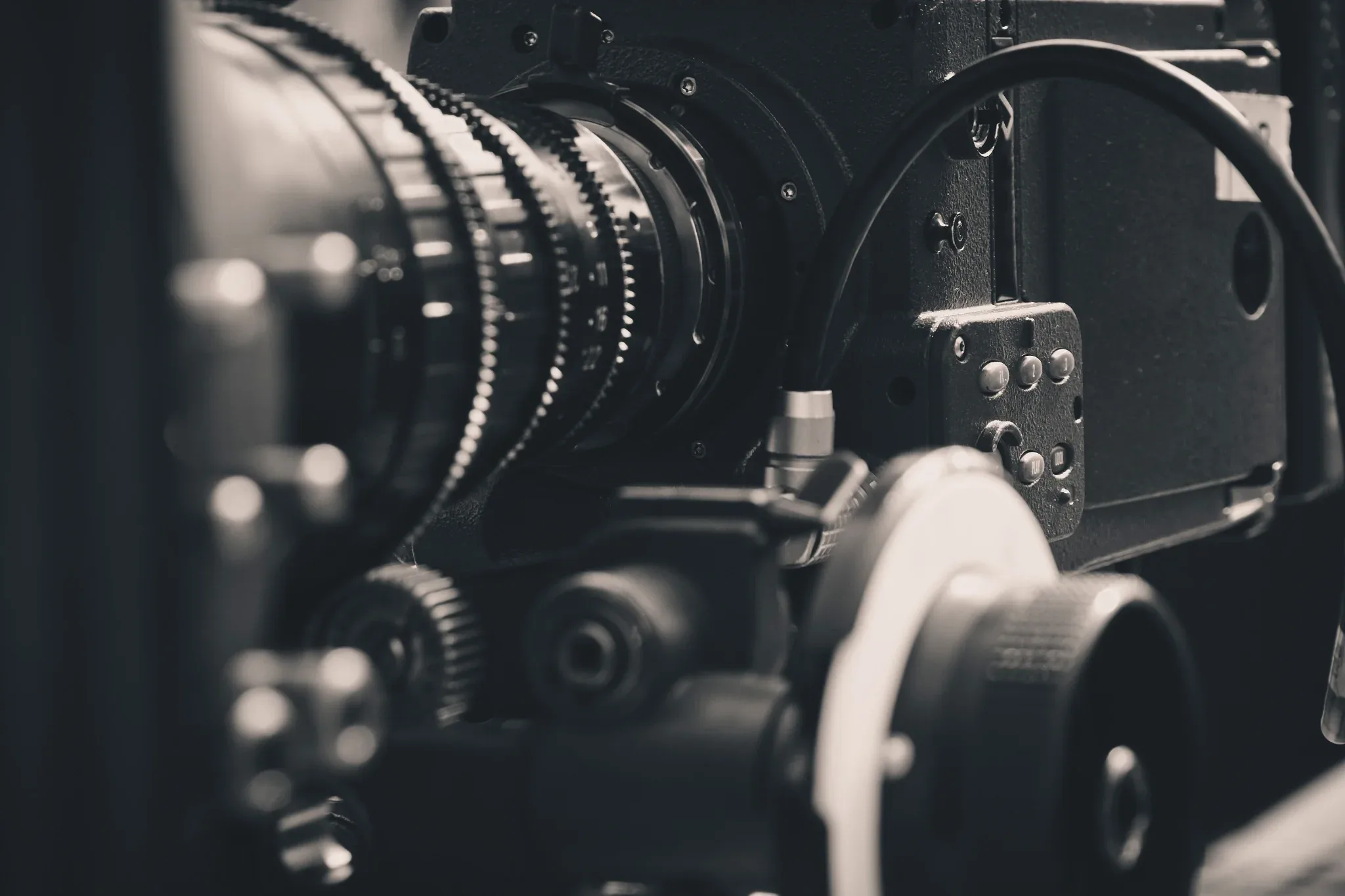
Rather than simply presenting a product or explaining a service, cinematic storytelling uses the language of filmmaking—character, emotion, atmosphere, conflict, pacing, cinematography, sound, and narrative—to transform a marketing message into an experience.
And for modern brands, that difference can be significant.
What Is Cinematic Brand Storytelling?
Cinematic brand storytelling is the use of filmmaking techniques to communicate a brand's identity, values, products, or ideas through a compelling narrative.
It does not necessarily mean producing a large-budget commercial.
A cinematic story can be 60 seconds, 15 seconds, or even six seconds.
What matters is not its length.
What matters is the intention behind every creative decision.
Instead of asking:
“How do we show the product?”
the creative team begins by asking:
“What should the audience feel?”
From there, the story, visuals, sound, performance, editing, and production design are developed around that emotional objective.
The product still matters.
But instead of always being the story itself, it becomes part of a larger human experience.
Why Traditional Advertising Is Becoming Easier to Ignore
Modern audiences have developed an extremely fast filter for advertising.
Within seconds, they can usually recognize when they are being sold something.
And when a piece of content feels predictable, irrelevant, or overly promotional, the instinct is simple:
Scroll.
Skip.
Close.
Move on.
Storytelling works differently.
A story creates curiosity.
Something is happening.
There is a person we want to understand, a situation we want resolved, a visual world we want to explore, or an emotion we recognize from our own lives.
The audience is no longer simply watching an advertisement.
They are watching to discover what happens next.
That shift—from selling attention to earning attention—is one of the most important principles in contemporary branded content.
The Product Does Not Always Need to Be the Hero
One of the most common mistakes in commercial filmmaking is making the product the center of every frame.
Sometimes that is necessary.
But often, the strongest brand films take another approach.
They make the audience's experience the hero.
A car commercial, for example, does not necessarily need to be a sequence of beauty shots showing the vehicle from different angles.
The story might instead focus on a father driving his daughter to her first day at university.
The car becomes part of the emotional journey.
A hospital campaign does not necessarily need to begin with doctors explaining medical services.
It might begin with a family experiencing a frightening moment and show how speed, preparation, expertise, and trust change the outcome.
The hospital's capabilities become part of the story rather than a list of claims.
A technology company might not start with its interface.
It could begin with the human problem its technology solves.
This approach allows audiences to understand the value of a brand before being asked to understand the product.
Emotion Creates Memory
People rarely remember every detail of an advertisement.
But they often remember how it made them feel.
A film can communicate reassurance without saying “we are reliable.”
It can communicate ambition without saying “we are innovative.”
It can communicate warmth without saying “we care.”
These ideas can be expressed through cinematic language.
A quiet close-up.
A carefully timed pause.
A character's reaction.
A change in lighting.
The rhythm of an edit.
The sound of a room suddenly becoming silent.
The way the camera moves toward or away from someone.
Filmmaking gives brands access to an emotional vocabulary that goes far beyond words.
This is why the strongest brand films often communicate their message before the audience consciously realizes what the message is.
Building a Visual Language for a Brand
Cinematic storytelling is not only about writing a good script.
The visual world surrounding the story communicates just as much.
Consider two brands selling similar products.
One uses soft natural light, handheld cameras, intimate close-ups, real locations, and restrained production design.
The other uses symmetrical compositions, controlled studio lighting, precise camera movement, bold architecture, and highly stylized environments.
Even without seeing their logos, the two brands already feel completely different.
That is visual language.
A strong production team develops this language intentionally through decisions involving:
Cinematography
Lighting
Lens selection
Camera movement
Production design
Casting
Costume
Location
Color
Editing rhythm
Sound design
Music
Visual effects and animation
When these elements work together, a brand film stops looking like generic marketing content.
It starts developing an identity.
One Story Can Become an Entire Content Ecosystem
Another advantage of cinematic production is that a strong creative concept does not have to live in a single advertisement.
One production can generate an entire communication ecosystem.
A hero film can become shorter commercials.
Characters or situations from the campaign can become vertical social videos.
Behind-the-scenes material can become social content.
Key visual moments can become photography.
Individual scenes can become teasers.
Interviews can become documentary-style content.
Visual elements can be adapted into digital advertising, outdoor campaigns, websites, and social media.
Instead of thinking:
“We are producing a video.”
brands can think:
“We are building a storytelling world.”
This approach allows one central creative idea to remain consistent while adapting to different platforms and audience behaviors.
Cinematic Does Not Mean Slow
There is a misconception that cinematic storytelling belongs only to long-form films.
That is no longer true.
Some of the most interesting cinematic work today is happening inside extremely short formats.
A six-second advertisement can still have:
A setup.
A surprise.
A visual idea.
A character reaction.
A memorable final image.
A 15-second vertical film can still have tension, pacing, sound design, composition, and emotional payoff.
Short-form storytelling simply requires greater precision.
Every frame must earn its place.
The challenge is not removing cinematic thinking.
The challenge is compressing it.
The Rise of Hybrid Production
The definition of filmmaking itself is also expanding.
Traditional live-action production is increasingly working alongside:
3D animation.
Motion design.
Virtual production.
AI-assisted workflows.
Advanced compositing.
Digital environments.
Character animation.
Real-time visualization.
These tools allow filmmakers and brands to create worlds that previously required far larger budgets, longer schedules, or technically impossible production setups.
But technology alone does not create a strong film.
The fundamental question remains the same:
What story are we trying to tell?
Technology should expand the creative possibilities of storytelling, not replace the thinking behind it.
The most effective productions combine creative direction, filmmaking craft, and technology around one coherent idea.
Local Stories Can Speak to Global Audiences
Brands operating across different markets face another challenge.
How do you create something culturally specific without limiting its international appeal?
The answer often lies in human truth.
Family.
Ambition.
Fear.
Pride.
Belonging.
Curiosity.
Change.
Hope.
These emotions can travel across borders.
The environment, casting, language, architecture, costume, humor, and cultural details can remain authentic to a particular place while the emotional core remains universally understandable.
For brands working across the Middle East and international markets, this balance is especially important.
Audiences increasingly recognize generic representations of culture.
Authenticity requires more than inserting familiar landmarks or visual stereotypes.
It requires understanding the people inside the story.
The Best Brand Films Start Before the Camera Rolls
Beautiful cinematography cannot rescue an unclear idea.
Successful cinematic storytelling begins much earlier.
It begins with strategy.
What does the brand want people to understand?
Who is the audience?
What tension exists in their world?
What emotion should the film create?
What is the single idea we want them to remember?
Only after those questions are answered should the production decisions begin.
Concept development, research, scriptwriting, storyboarding, previsualization, casting, location scouting, production design, cinematography, editing, sound, visual effects, and finishing should all support that same central idea.
When every department understands the story, production becomes more than execution.
It becomes interpretation.
From Content Production to Story Building
The future of branded communication is not about producing more content simply because platforms demand it.
There is already more content than audiences can consume.
The opportunity is to create work worth noticing.
Work with a point of view.
Work with emotion.
Work with craft.
Work that understands the brand but also respects the intelligence of the audience.
At Global Untold Story, we approach filmmaking as the process of turning ideas into living experiences.
From commercials and branded content to documentaries, digital campaigns, animation, and emerging production technologies, the objective remains the same:
Find the story.
Build its world.
And create something people want to watch.
Because when a brand stops interrupting stories and starts telling them, advertising can become something much more powerful.
It can become memorable.
Written by Global Untold Story — Film Production Services, Egypt · UAE · KSA